関正生の英語長文ルールズ2:レベルや使い方、出題大学や出典まで徹底レビュー

この記事では、今回は関正生先生の英語長文TheRules2の難易度やレベル、出典大学や元ネタまで、使い方を徹底的にレビューをしていきます。

TheRules2を使おうか迷っている受験生は参考になる情報が満載です。

Webで公開されている記事はリンクから飛べば中身を読むことができます。TheRules2購入前に、英文のレベルを確認するなどご活用ください。

この記事を読むメリット

  • TheRules2の出題大学と対象レベルがわかる
  • 収録英文の総単語数がわかる
  • TheRules2を使うタイミングや使い方がわかる

それでは早速いってみましょう!

ルールズ2の特徴

TheRulesシリーズ全体に言えますが、解説がとにかく丁寧で、英語が得意な人が頭の中でやっていることを見事に言語化しています。

キチンと取り組むことで英語の読み方が身についてくるので、多くの受験生にオススメの問題集です。

TheRules2には、国公立の過去問も収録されているので、英語の基礎がしっかりと固まってから取り組むのがオススメです。

具体的には英語対策参考書ルートLevel1で紹介している参考書は完璧にしてください。

共通テストでいうと、少なくとも60%は得点できる力が望ましいです。

ルールズ2のレベルと難易度

TheRules2の公式の難易度表を見てみると、共通テスト〜国公立標準となっています。

中堅私大や地方国公立志望の受験生をターゲットにしているのがわかります。

言い換えると、日東駒専、成成明学、地方国公立志望の受験生向けの教材です。

地方国公立とは旧帝大(東京・京都・大阪・東北、名古屋、九州、北海道)や難関国公立(筑波・お茶の水・神戸・千葉・横浜)を除く国公立大学を主に指します。

ルールズ2の推奨レベル

使用の推奨レベルや目安は次の通りです

  • 共通テストは安定して6割超えている
  • 偏差値50以上
  • ルールズ1はやりこんで完璧
  • 高校で習う基本的な単語や英文法は頭に入っている

全てクリアしている必要はありませんが、しっかりとした基礎がなければ難しいと感じるかもしれません。

実際に取り組んで難しいと感じれば、単語や文法の基礎を復習しつつ、まずはTheRules1から取り組んでください。

ルールズ2とポラリス1

著者である関正生先生には、別のレベル別英語長文シリーズ「ポラリス」があります。

こちらも(0,1,2,3)の4段階で、同じレベル帯のポラリス1とどちらを買えばいいか迷うと思います。

結論として、TheRulesシリーズを推します。

どちらも良い英語長文なのは大前提ですが、ポラリスはテーマや背景知識に重きを置いているのに対して、TheRulesは問題の解き方を重視している感じです。

まずは英語や問題へのアプローチ方法を学んで、その上でポラリスを多読教材として使うのがオススメです。

それでは次に、実際に掲載されている出題大学をみてみましょう。

ルールズ2出題大学一覧

こちらがTheRules2に掲載されている問題の出題校一覧です。

<国公立>

  • 茨城大学 1題
  • 琉球大学 1題
  • 宇都宮大学 1題

<私立>

  • 甲南大学 1題
  • 藤女子大学 1題
  • 成蹊大学 1題
  • 龍谷大学 1題
  • 國學院大学 1題
  • 札幌大学 1題
  • 駒澤大学 2題
  • 東京福祉大学 1題

国公立3題、私立9題のバランスです。

茨城大学、琉球大学、宇都宮大学など、地方国公立も出題校に含まれています。

また、駒澤・甲南・龍谷大学も収録されているので、日東駒専*や産近甲龍*を目指す受験生はTheRules2まで仕上げて過去問に進むのがオススメです。

*大学群の解説
日東駒専 :日本大学・東洋大学・駒澤大学・専修大学
産近甲龍 :京都産業大学・近畿大学・甲南大学・龍谷大学

\ちょっと休憩/

留年危機、直前のE判定、MARCH全滅。ギリギリからの大逆転で慶應SFCへ。合格の鍵は最後まで諦めないメンタル

慶應SFC専門塾GOKO。今回は、直前11月の模試でE判定から慶應義塾大学総合政策学部に合格したMさんにお話を伺います。 Mさんは都内の中堅高校出身ですが、その中でも留年し…

ルールズ2出題問題の語彙数と設定時間

収録されている問題の語数とと設定時間は次の通りです。

問題出題校語数
1茨城大学268
2甲南大学370
3藤女子大学366
4成蹊大学512
5龍谷大学687
6國學院大学638
7札幌大学693
8駒澤大学241
9駒澤大学285
10東京福祉大学298
11琉球大学927
12宇都宮大学828
6,113

TheRules1では収録されていなかった700語を超える問題が収録されるようになりました。

総語数に関して、TheRules1では4,688語でしたが、TheRules2では1,500語ほど増えて6,113語になりました。

300語前後(青)、500語前後(緑)、650語以上(赤)でザックリ色分けしてみた図が以下です。
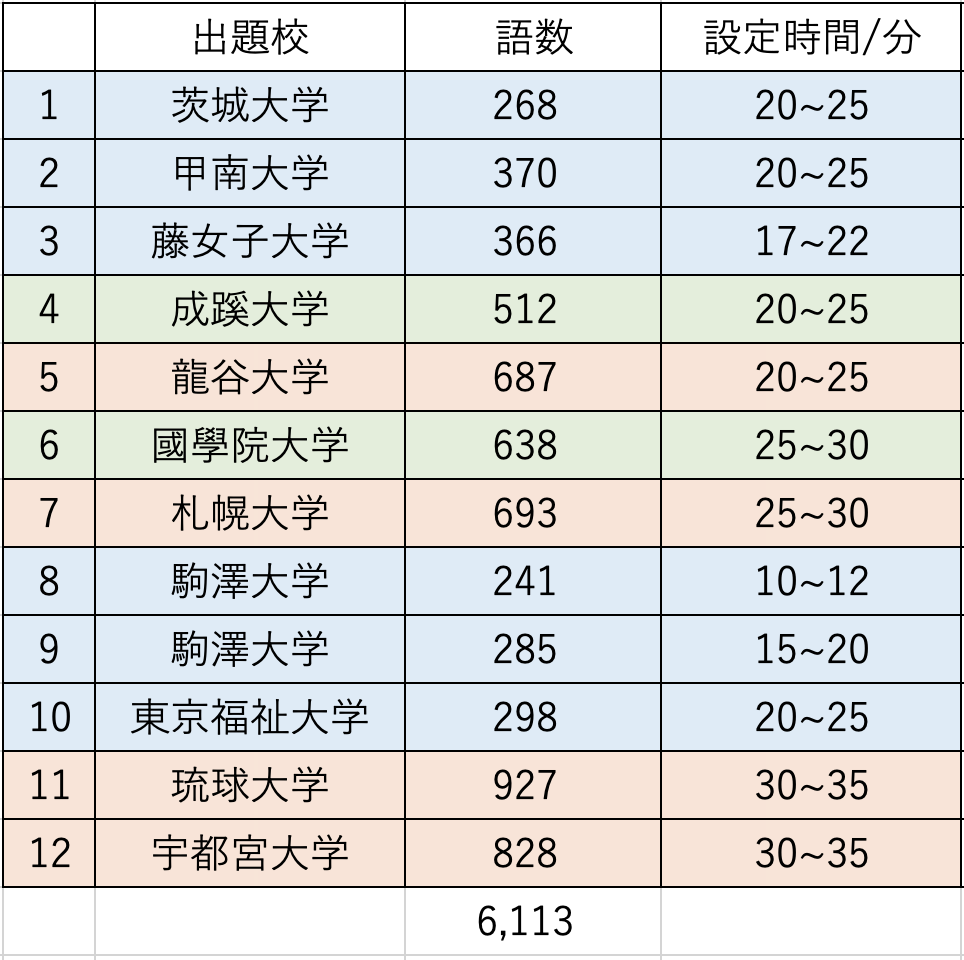
最後の琉球大と宇都宮大の2つは1,000語に迫る勢いで、このレベル帯としては長めの英文が出題されています。

いつやる?ルールズ2を使用するタイミング

入試基礎レベルの英語力がついてから使い始めるのがオススメです。

具体的には英語対策参考書ルートLevel1で紹介しているしている参考書は、最低限終わらせる必要があります。

また、共通テストや共通テスト型模試で平均点(60%程度)を取れる英語力があれば十分取り組む価値があります。

推奨使用レベルをまとめると次の通りです

  • 共通テストは安定して6割超えている
  • 偏差値50以上
  • ルールズ1はやりこんで完璧
  • 基本的な単語や英文法は頭に入っている

ルールズ2オススメの使い方と音声

本書は英語が得意な人が頭の中でやっていることを言語化した参考書で、その頭の使い方をマスターするのが目的です。

そのため、1回解いて終わり、少し復習して終わり、ではダメです。

大事なのは復習です。解説に書かれていることを人に説明できるレベルで読み込んでください。

それをやった上で、解説に書いてある読み方を意識しながら何度も音読を繰り返してください。

音読は最低でも30回、最終的には100回を目標にしてください。英文を覚えてしまって、勝手にフレーズが出てくるようになったらグッドです。

音読に使用する音源は旺文社のアプリでもできますし、こちらからダウンロードすることもできます。

>>TheRules音源のダウンロードサイト

TheRules2の出題大学と出典元ネタまとめ

最後におまけとしてTheRules2に収録されている英文を、出題大学や出典元も含めて紹介していきます。

読んでみたけどよくわからなかった、この話面白かったらか続きを読んでみたい!などの時にご活用ください。

*追記:2024年夏期に著者本人の音声コメントが公開されました。各問題に合わせて紹介します。

レッスン1:茨城大学 / 最速の仕事術
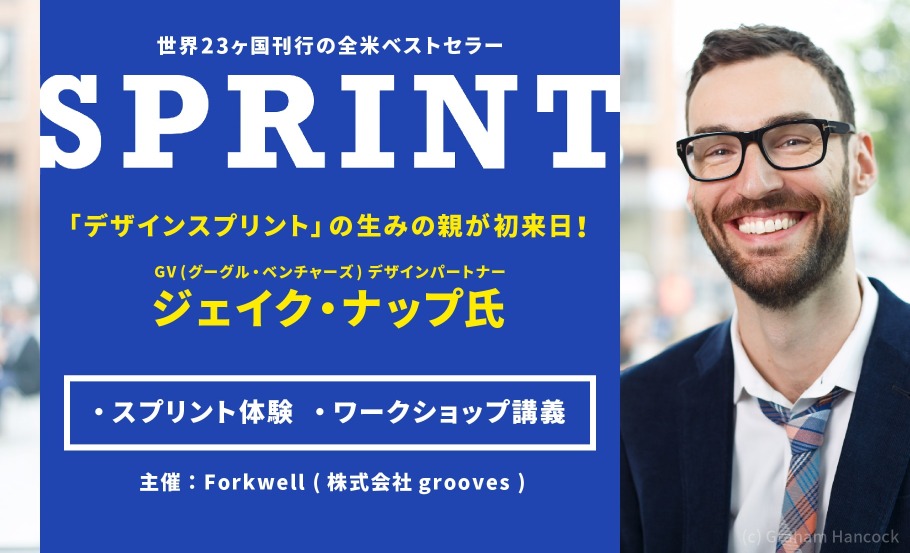
  • 原題:SPRINT: How to Solve Big Problems and Test New Ideas in Just Five Days
  • 著者:ジェイク・ナップ
  • 出題大学:茨城大学

Googleのプロジェクトも指揮していたジェイク・ナップ氏の著書が元ネタです。

元のタイトルは

" How to Solve Big Problems and Test New Ideas in Just Five Days "

直訳にすると「たった5日間で大きな問題を解決し、新しいアイデアをテストする方法」ぐらいの意味です。

翻訳版は全然違うタイトルになっていますが、別の国で出版する際に、タイトルを変えるのはあるあるです。

レッスン2:甲南大学 / イケてる関西の旅

  • 原題:Kansai Cool: A Journey into the Cultural Heartland of Japan
  • 著者:クリスタル・ウィーラン / Christal Whelan
  • 出題大学:甲南大学

著者クリスタル・ウィーラン(Christal Whelan)氏が関西を旅した記した本が元ネタ。

問題を解いているときは、日本について書かれた本だとわかりませんが、元ネタは日本文化に書かれた本です。

レッスン3:藤女子大学 / 犬が人を飼いならした?

著者のヴァネッサ・ウッズとブライアン・ヘア(https://today.duke.edu/2018/04/department-spotlight-more-bark-canine-cognition-centerより
  • 原題:We Didn't Domesticate Dogs. They Domesticated Us.
  • 著者:ブライアン・ヘア &ヴァネッサ・ウッズ / Brian Hare and Vanessa Woods
  • 出題大学:藤女子大学

良質なドキュメンタリーを作ることで定評のある、ナショナルジオグラフィーのコンテンツが元ネタ。

Early humans didn't adopt wolves to help them hunt, argue scientists. Instead, wolves made the first move toward friendship.

まんま本文がネット上で公開されているので、ネイティブになったつもりで読んでみると楽しいです。

書いたのは、進化人類学のブライアン・ヘアと、サイエンスライターのヴァネッサ・ウッズ。

共著も多いコンビ(というか配偶者関係)で、以下の通り、日本語に翻訳された本もいくつかあります。

レッスン4:成蹊大学 / 我発見せり!頭を打つと天才が生まれる

  • 原題:Eureka! When a Blow to the Head Creates a Sudden Genius
  • 著者:ブライアン・フォン@トランティック紙
  • 出題大学:成蹊大学

ボストンにあるアトランティック紙という月刊誌の2012年の記事が元ネタ。

記事を書いたのはブライアン・フォン(Brian Fung)氏。

<meta property="article:platform" content="web" data-next-head=""/><meta property="article:category" content="health" data-next-head=""/><link rel="preconnect" href="https://cdn.privacy-mgmt.com/" crossorigin="" data-next-head=""/><link rel="dns-prefetch" href="https://cdn.privacy-mgmt.com/" data-next-head=""/><script defer="" data-next-head="">"use strict"; function _typeof(t) { return (_typeof = "function" == typeof Symbol && "symbol" == typeof Symbol.iterator ? function (t) { return typeof t } : function (t) { return t && "function" == typeof Symbol && t.constructor === Symbol && t !== Symbol.prototype ? "symbol" : typeof t })(t) } !function () { var t = function () { var t, e, o = [], n = window, r = n; for (; r;) { try { if (r.frames.__tcfapiLocator) { t = r; break } } catch (t) { } if (r === n.top) break; r = r.parent } t || (!function t() { var e = n.document, o = !!n.frames.__tcfapiLocator; if (!o) if (e.body) { var r = e.createElement("iframe"); r.style.cssText = "display:none", r.name = "__tcfapiLocator", e.body.appendChild(r) } else setTimeout(t, 5); return !o }(), n.__tcfapi = function () { for (var t = arguments.length, n = new Array(t), r = 0; r < t; r++)n[r] = arguments[r]; if (!n.length) return o; "setGdprApplies" === n[0] ? n.length > 3 && 2 === parseInt(n[1], 10) && "boolean" == typeof n[3] && (e = n[3], "function" == typeof n[2] && n[2]("set", !0)) : "ping" === n[0] ? "function" == typeof n[2] && n[2]({ gdprApplies: e, cmpLoaded: !1, cmpStatus: "stub" }) : o.push(n) }, n.addEventListener("message", (function (t) { var e = "string" == typeof t.data, o = {}; if (e) try { o = JSON.parse(t.data) } catch (t) { } else o = t.data; var n = "object" === _typeof(o) && null !== o ? o.__tcfapiCall : null; n && window.__tcfapi(n.command, n.version, (function (o, r) { var a = { __tcfapiReturn: { returnValue: o, success: r, callId: n.callId } }; t && t.source && t.source.postMessage && t.source.postMessage(e ? JSON.stringify(a) : a, "*") }), n.parameter) }), !1)) }; "undefined" != typeof module ? module.exports = t : t() }();</script><script defer="" data-next-head="">window.__gpp_addFrame = function (e) { if (!window.frames[e]) if (document.body) { var t = document.createElement("iframe"); t.style.cssText = "display:none", t.name = e, document.body.appendChild(t) } else window.setTimeout(window.__gpp_addFrame, 10, e) }, window.__gpp_stub = function () { var e = arguments; if (__gpp.queue = __gpp.queue || [], __gpp.events = __gpp.events || [], !e.length || 1 == e.length && "queue" == e[0]) return __gpp.queue; if (1 == e.length && "events" == e[0]) return __gpp.events; var t = e[0], p = e.length > 1 ? e[1] : null, s = e.length > 2 ? e[2] : null; if ("ping" === t) p({ gppVersion: "1.1", cmpStatus: "stub", cmpDisplayStatus: "hidden", signalStatus: "not ready", supportedAPIs: ["2:tcfeuv2", "5:tcfcav1", "6:uspv1", "7:usnatv1", "8:uscav1", "9:usvav1", "10:uscov1", "11:usutv1", "12:usctv1"], cmpId: 0, sectionList: [], applicableSections: [], gppString: "", parsedSections: {} }, !0); else if ("addEventListener" === t) { "lastId" in __gpp || (__gpp.lastId = 0), __gpp.lastId++; var n = __gpp.lastId; __gpp.events.push({ id: n, callback: p, parameter: s }), p({ eventName: "listenerRegistered", listenerId: n, data: !0, pingData: { gppVersion: "1.1", cmpStatus: "stub", cmpDisplayStatus: "hidden", signalStatus: "not ready", supportedAPIs: ["2:tcfeuv2", "5:tcfcav1", "6:uspv1", "7:usnatv1", "8:uscav1", "9:usvav1", "10:uscov1", "11:usutv1", "12:usctv1"], cmpId: 0, sectionList: [], applicableSections: [], gppString: "", parsedSections: {} } }, !0) } else if ("removeEventListener" === t) { for (var a = !1, i = 0; i < __gpp.events.length; i++)if (__gpp.events[i].id == s) { __gpp.events.splice(i, 1), a = !0; break } p({ eventName: "listenerRemoved", listenerId: s, data: a, pingData: { gppVersion: "1.1", cmpStatus: "stub", cmpDisplayStatus: "hidden", signalStatus: "not ready", supportedAPIs: ["2:tcfeuv2", "5:tcfcav1", "6:uspv1", "7:usnatv1", "8:uscav1", "9:usvav1", "10:uscov1", "11:usutv1", "12:usctv1"], cmpId: 0, sectionList: [], applicableSections: [], gppString: "", parsedSections: {} } }, !0) } else "hasSection" === t ? p(!1, !0) : "getSection" === t || "getField" === t ? p(null, !0) : __gpp.queue.push([].slice.apply(e)) }, window.__gpp_msghandler = function (e) { var t = "string" == typeof e.data; try { var p = t ? JSON.parse(e.data) : e.data } catch (e) { p = null } if ("object" == typeof p && null !== p && "__gppCall" in p) { var s = p.__gppCall; window.__gpp(s.command, (function (p, n) { var a = { __gppReturn: { returnValue: p, success: n, callId: s.callId } }; e.source.postMessage(t ? JSON.stringify(a) : a, "*") }), "parameter" in s ? s.parameter : null, "version" in s ? s.version : "1.1") } }, "__gpp" in window && "function" == typeof window.__gpp || (window.__gpp = window.__gpp_stub, window.addEventListener("message", window.__gpp_msghandler, !1), window.__gpp_addFrame("__gppLocator"));</script><script data-next-head="">window._sp_queue = []; window._sp_ = { config: { accountId: 1247, baseEndpoint: 'https://cdn.privacy-mgmt.com', ccpa: {}, usnat: {}, custom: {}, gdpr: {}, } }</script><script src="https://cdn.privacy-mgmt.com/unified/wrapperMessagingWithoutDetection.js" defer="" data-next-head=""></script><link rel="preconnect" href="https://01.cdn.mediatradecraft.com/" crossorigin="" data-next-head=""/><link rel="dns-prefetch" href="https://01.cdn.mediatradecraft.com/" data-next-head=""/><link rel="preconnect" href="https://securepubads.g.doubleclick.net" data-next-head=""/><link rel="preload" href="https://securepubads.g.doubleclick.net/tag/js/gpt.js" as="script" data-next-head=""/><link rel="preconnect" href="https://c.amazon-adsystem.com/" crossorigin="" data-next-head=""/><link rel="dns-prefetch" href="https://c.amazon-adsystem.com/" data-next-head=""/><link rel="preconnect" href="https://micro.rubiconproject.com/" crossorigin="" data-next-head=""/><link rel="dns-prefetch" href="https://micro.rubiconproject.com/" data-next-head=""/><script src="https://c.amazon-adsystem.com/aax2/apstag.js" async="" data-next-head=""></script><script src="https://securepubads.g.doubleclick.net/tag/js/gpt.js" async="" data-next-head=""></script><script src="https://01.cdn.mediatradecraft.com/theatlantic/main/main.js?template=article_standard" async="" data-next-head=""></script><link href="https://01.cdn.mediatradecraft.com/theatlantic/main/main.css" media="all" rel="stylesheet" data-next-head=""/><meta name="description" content="The Atlantic covers news, politics, culture, technology, health, and more, through its articles, podcasts, videos, and flagship magazine." data-next-head=""/><meta property="krux:title" content="Eureka! When a Blow to the Head Creates a Sudden Genius - The Atlantic" data-next-head=""/><meta property="krux:description" content="The Atlantic covers news, politics, culture, technology, health, and more, through its articles, podcasts, videos, and flagship magazine." data-next-head=""/><link rel="canonical" href="https://www.theatlantic.com/health/archive/2012/05/eureka-when-a-blow-to-the-head-creates-a-sudden-genius/257282/" data-next-head=""/><link rel="image_src" href="https://cdn.theatlantic.com/static/theatlantic/img/lacroix-default-thumbnail.png" data-next-head=""/><meta name="author" content="Brian Fung" data-next-head=""/><meta property="article:publisher" content="https://www.facebook.com/TheAtlantic/" data-next-head=""/><meta property="article:opinion" content="false" data-next-head=""/><meta property="article:content_tier" content="metered" data-next-head=""/><meta property="article:tag" content="health" data-next-head=""/><meta property="article:section" content="Health" data-next-head=""/><meta property="article:published_time" content="2012-05-17T12:00:00Z" data-next-head=""/><meta property="article:modified_time" content="2012-05-17T20:09:12Z" data-next-head=""/><meta name="robots" content="index, follow, max-image-preview:large" data-next-head=""/><meta property="og:title" content="Eureka! When a Blow to the Head Creates a Sudden Genius" data-next-head=""/><meta property="og:description" content="Brain trauma can sometimes reveal extraordinary talents in people. Now, savant syndrome is helping to create whole new fields of scientific discovery." data-next-head=""/><meta property="og:url" content="https://www.theatlantic.com/health/archive/2012/05/eureka-when-a-blow-to-the-head-creates-a-sudden-genius/257282/" data-next-head=""/><meta property="og:type" content="article" data-next-head=""/><meta property="og:image" data-next-head=""/><meta property="twitter:card" content="summary_large_image" data-next-head=""/><meta name="FacebookShareMessage" content="" data-next-head=""/><meta name="TwitterShareMessage" content="" data-next-head=""/><link rel="alternate" type="application/rss+xml" title="The Atlantic" href="/feed/all/" data-next-head=""/><link rel="alternate" type="application/rss+xml" title="Best of The Atlantic" href="/feed/best-of/" data-next-head=""/><meta name="referrer" content="unsafe-url" data-next-head=""/><meta name="apple-mobile-web-app-capable" content="yes" data-next-head=""/><meta name="apple-mobile-web-status-bar-style" content="black" data-next-head=""/><meta name="apple-mobile-web-app-title" content="The Atlantic" data-next-head=""/><meta name="sailthru.title" content="Eureka! When a Blow to the Head Creates a Sudden Genius" data-next-head=""/><meta name="sailthru.tags" content="health,mind,author-brian-fung" data-next-head=""/><meta name="sailthru.date" content="2012-05-17T12:00:00Z" data-next-head=""/><link rel="preload" as="font" type="font/woff2" href="https://www.theatlantic.com/packages/fonts/garamond/AGaramondPro-Regular.woff2" crossorigin="" data-next-head=""/><link rel="preload" as="font" type="font/woff2" href="https://www.theatlantic.com/packages/fonts/graphik/Graphik-Regular-Web.woff2" crossorigin="" data-next-head=""/><link rel="preload" as="font" type="font/woff2" href="https://www.theatlantic.com/packages/fonts/graphik/Graphik-Semibold-Web.woff2" crossorigin="" data-next-head=""/><link rel="preload" as="font" type="font/woff2" href="https://www.theatlantic.com/packages/fonts/logic/LogicMonospace-Medium.woff2" crossorigin="" data-next-head=""/><link rel="preload" as="font" type="font/woff2" href="https://www.theatlantic.com/packages/fonts/logic/LogicMonospace-Regular.woff2" crossorigin="" data-next-head=""/><script type="application/ld+json" data-next-head="">{"@context":"https://schema.org","@type":"NewsArticle","headline":"Eureka! When a Blow to the Head Creates a Sudden Genius","alternativeHeadline":"Eureka! When a Blow to the Head Creates a Sudden Genius","url":"https://www.theatlantic.com/health/archive/2012/05/eureka-when-a-blow-to-the-head-creates-a-sudden-genius/257282/","datePublished":"2012-05-17T12:00:00Z","dateModified":"2012-05-17T20:09:12Z","isAccessibleForFree":false,"hasPart":{"@type":"WebPageElement","isAccessibleForFree":false,"cssSelector":".article-content-body"},"publisher":{"@id":"https://www.theatlantic.com/#publisher"},"mainEntityOfPage":{"@type":"WebPage","@id":"https://www.theatlantic.com/health/archive/2012/05/eureka-when-a-blow-to-the-head-creates-a-sudden-genius/257282/"},"author":[{"@type":"Person","name":"Brian Fung","sameAs":"https://www.theatlantic.com/author/brian-fung/"}],"articleSection":"Health"}</script><link rel="preload" href="https://cdn.theatlantic.com/_next/static/css/6c293d46ff3ccbdd.css" as="style"/><link rel="stylesheet" href="https://cdn.theatlantic.com/_next/static/css/6c293d46ff3ccbdd.css" data-n-g=""/><link rel="preload" href="https://cdn.theatlantic.com/_next/static/css/31461f1f469da499.css" as="style"/><link rel="stylesheet" href="https://cdn.theatlantic.com/_next/static/css/31461f1f469da499.css" data-n-p=""/><link rel="preload" href="https://cdn.theatlantic.com/_next/static/css/2d8d1c79c3861acf.css" as="style"/><link rel="stylesheet" href="https://cdn.theatlantic.com/_next/static/css/2d8d1c79c3861acf.css" data-n-p=""/><link rel="preload" href="https://cdn.theatlantic.com/_next/static/css/8cbf7735f9aed610.css" as="style"/><link rel="stylesheet" href="https://cdn.theatlantic.com/_next/static/css/8cbf7735f9aed610.css" data-n-p=""/><link rel="preload" href="https://cdn.theatlantic.com/_next/static/css/fc44ae6fe432d356.css" as="style"/><link rel="stylesheet" href="https://cdn.theatlantic.com/_next/static/css/fc44ae6fe432d356.css" data-n-p=""/><link rel="preload" href="https://cdn.theatlantic.com/_next/static/css/0a33952225252f86.css" as="style"/><link rel="stylesheet" href="https://cdn.theatlantic.com/_next/static/css/0a33952225252f86.css" data-n-p=""/><link rel="preload" href="https://cdn.theatlantic.com/_next/static/css/f9e65f58dbb2447b.css" as="style"/><link rel="stylesheet" href="https://cdn.theatlantic.com/_next/static/css/f9e65f58dbb2447b.css"/><noscript data-n-css=""></noscript><link rel="preload" href="https://cdn.theatlantic.com/_next/static/chunks/8476.6ece9afaba33bcba.js" as="script"/><link rel="preload" href="https://cdn.theatlantic.com/_next/static/chunks/webpack-5c95ec26d5554cc6.js" as="script"/><link rel="preload" href="https://cdn.theatlantic.com/_next/static/chunks/framework-b9fd9bcc3ecde907.js" as="script"/><link rel="preload" href="https://cdn.theatlantic.com/_next/static/chunks/main-94a86c6f17b9d8dc.js" as="script"/><link rel="preload" href="https://cdn.theatlantic.com/_next/static/chunks/pages/_app-e16650b34d108516.js" as="script"/><link rel="preload" href="https://cdn.theatlantic.com/_next/static/chunks/6636-bc98ad1f3cd91596.js" as="script"/><link rel="preload" href="https://cdn.theatlantic.com/_next/static/chunks/3797-f8042da41ece45a6.js" as="script"/><link rel="preload" href="https://cdn.theatlantic.com/_next/static/chunks/2296-0ecf836df9c60165.js" as="script"/><link rel="preload" href="https://cdn.theatlantic.com/_next/static/chunks/4299-db5463e9aafeb341.js" as="script"/><link rel="preload" href="https://cdn.theatlantic.com/_next/static/chunks/1044-0df182c85e4dfcec.js" as="script"/><link rel="preload" href="https://cdn.theatlantic.com/_next/static/chunks/8790-451f99a73195d0a8.js" as="script"/><link rel="preload" href="https://cdn.theatlantic.com/_next/static/chunks/808-ec5eb0d56072c970.js" as="script"/><link rel="preload" href="https://cdn.theatlantic.com/_next/static/chunks/4410-b74d21613c2fe8a1.js" as="script"/><link rel="preload" href="https://cdn.theatlantic.com/_next/static/chunks/2714-181fbbdd7b5d6d1f.js" as="script"/><link rel="preload" href="https://cdn.theatlantic.com/_next/static/chunks/4161-dfdd9ede6282ccd2.js" as="script"/><link rel="preload" href="https://cdn.theatlantic.com/_next/static/chunks/2347-7700dad8c98cc9c1.js" as="script"/><link rel="preload" href="https://cdn.theatlantic.com/_next/static/chunks/4808-95db6b3796227678.js" as="script"/><link rel="preload" href="https://cdn.theatlantic.com/_next/static/chunks/5609-be4f32fa34aaebc4.js" as="script"/><link rel="preload" href="https://cdn.theatlantic.com/_next/static/chunks/4093-99364d5373ea73d7.js" as="script"/><link rel="preload" href="https://cdn.theatlantic.com/_next/static/chunks/4745-1c550ef0cf9054b9.js" as="script"/><link rel="preload" href="https://cdn.theatlantic.com/_next/static/chunks/1588-a3fd983ad267b42d.js" as="script"/><link rel="preload" href="https://cdn.theatlantic.com/_next/static/chunks/3915-286214473e214ddb.js" as="script"/><link rel="preload" href="https://cdn.theatlantic.com/_next/static/chunks/4182-f1c6b2a21afa81a0.js" as="script"/><link rel="preload" href="https://cdn.theatlantic.com/_next/static/chunks/pages/%5Bchannel%5D/archive/%5Byear%5D/%5Bmonth%5D/%5Bslug%5D/%5Bid%5D-561e33733f73adf4.js" as="script"/></head><body><div id="__next"><div data-event-surface="article"><div></div><nav class="Nav_root__HcZek" data-nosnippet="true" aria-labelledby="site-navigation" data-event-module="site nav" id="main-navigation"><div class="Nav_mainNav__iPsWc"><a href="#main-content" class="Nav_skipLink__P4Y5R">Skip to content</a><h2 id="site-navigation" class="Nav_visuallyHide__Lzzui">Site Navigation</h2><div class="Nav_flexContainer__9iJ4H"><ul class="Nav_leftContainer__Xs54R"><li class="Nav_navListItem__l2afO Nav_visuallyHideOnMobile__N9bs2"><a href="/" class="Nav_navLink__34Bol"><svg xmlns="http://www.w3.org/2000/svg" viewBox="0 0 87.83 134" class="Nav_bigA__c1aIb"><title>The Atlantic

Brain trauma can sometimes reveal extraordinary talents in people. Now, savant syndrome is helping to create whole new fields of scientific discovery.

記事のタイトルになっている「Eureka!」は「我見つけたり!」と訳されるギリシャ語で、アルキメデスがアルキメデスの原理を発見した時の感嘆詞として今でもよく引用されます。

アルキメデスの原理は、純金と不純物を混ぜた金との区別を水に入れて証明した話で有名です。

個人的に、TheRules2の中で1番面白く、興味深く読んだ英文でした。

レッスン5:龍谷大学 / 語学を習得するのに今が最高?

英文冒頭に登場するHillary Yip(https://www.sothisismywhy.com/)
  • 原題:Is this the best time in history to learn languages?
  • 著者:BBC
  • 出題大学:龍谷大学

イギリスの公共放送局BBC(British Broadcasting Corporation)の2018年の記事が元ネタ。

最近の子ども達は、テクノロジーのおかげで、より外国学習環境が整っている旨の話です。

圧倒的に移民の少ない日本ですが、ネットゲームやYoutubeなどで、確かに外国の接点は増えた気がします。

Is this the best time in history to learn languages?

Today’s youngest generation is more multilingual and wired than ever. Could the tech they’re using breed a global army of polyglots?
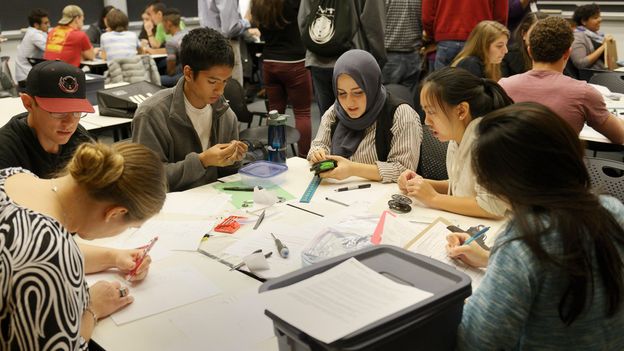
入試の際は英文だけですが、元ネタは画像がついてるのでイメージがつきやすいのです。

イメージを含まらせながら記憶するために、復習の時は記事を印刷して利用するのもありです。

レッスン6:国学院大学 / 絵文字を作った人に会いに行こう

  • 原題: Meet the man behind the emoji
  • 著者:AP通信
  • 出題大学:国学院大学

AP通信の2017年の記事が元ネタ。

元記事のタイトルはすごく長いです。

リンク先の記事は↑読みにくいので、参考程度で大丈夫です。

レッスン7:札幌大学 / ボストン茶会事件

  • 原題: Boston Tea Party
  • 著者:A+Eネットワークス
  • 出題大学:札幌大学

内容は世界史でも出てくる「ボストン茶会事件」がテーマ。

元ネタはアメリカの放送局A+Eネットワークスの2020年の記事。

Boston Tea Party - Definition, Dates & Facts | HISTORY

The Boston Tea Party was a political protest staged on December 16, 1773 at Griffin’s Wharf in Boston, Massachusetts....

元記事は2009年に書かれたものですが、度々更新されているので、収録されている英文と変わっている可能性もあります。

私立っぽい国立と国立っぽい私立

ちなみに出題大学の札幌大学は私立大学です。北海道の国立大学は、北海道大学です。

似たような関係をまとめると

  • 青森大学は私立、弘前大学が国公立
  • 神奈川大学は私立、横浜国立が国公立
  • 愛知大学は私立、名古屋大学が国公立
  • 福岡大学は私立、九州大学が国公立

都市名と県名、どちらのパターンもあります。

ちなみに、最難関国立大学は都市名になりがちです。

  • 日本:東京大学
  • 韓国:ソウル大学
  • 中国:北京大学

レッスン8 :駒澤大学 / ナイロビからケープタウンへの 陸路の旅

  • 原題: Nairobi to Cape Town Overland Camping
  • 著者:African Overland Tours
  • 出題大学:駒澤大学

African Overland Toursという旅行会社のツアーから出題。

まさか本物のツアー旅行を元ネタにしているとは思いませんでした。

African Overland Tours - Discover the Best Trips for 2026 / 2027

Discover Africa with the best budget adventure African Overland Tour company. We offer a variety of organised safari options across Africa. Book now.

流石に出題時と同じ旅行ツアーはなかったので、現時点で最も似た旅行パックを紹介しておきます。

英文では$2.905でしたが、2022年5月時点で$3,647、2024年8月で$10,000超えなので、だいぶ値上がりした印象です。

レッスン10:東京福祉大学 / バイリンガル・マインド

  • 原題: Bilingual Minds
  • 著者:SAGE社
  • 出題大学:東京福祉大学

カリフォルニア州に拠点を置く、アメリカの独立系出版社SAGE社の2009年の記事が元ネタ。

>>Bilingual Minds

バイリンガルやトリリンガルは大学入試あるあるのテーマですが、今回はバイリンガルがモノリンガルよりイケてるという話で、自分を含めた多くの日本人にとっては耳の痛そうな内容でした。

レッスン11:琉球大学 / 幼少期に空腹で苦しんだ子どもは、学業成績で遅れをとる

  • 原題:Kids Who Suffer Hunger In First Years Lag Behind Their Peers In School
  • 著者:米国公共ラジオ放送
  • 出題大学:琉球大学

NPR (National Public Radio:米国公共ラジオ放送)の2017年の記事が元ネタ。

>>Kids Who Suffer Hunger In First Years Lag Behind Their Peers In School

英文は長めですが、読みやすい内容です。

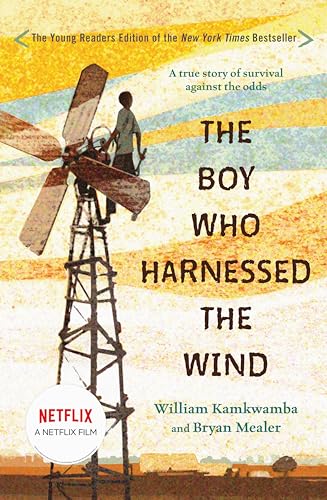
レッスン12:宇都宮大学 / 風をつかまえた少年

  • 原題:THE BOY WHO HARNESSED THE WIND
  • 著者: ウィリアム・カムクワンバ
  • 出題大学:宇都宮大学

日本語タイトル「風をつかまえた少年」からの出題。

学校の教科書で採用されているので、元ネタを知っている人も多いかもしれません。

そのために、有名な部分は採用されず、元ネタを知っていても気づかない部分から出題されています。

以上、ルールズ2の詳細解説でした!

順調に英語力が伸びた暁にはぜひ慶應受験もご検討ください

\ お知らせ /

この記事を書いた慶應専門塾GOKOでは、一緒に慶應義塾大学を目指す生徒を募集をしています。

完全マンツーマンで密度の濃い授業を、オンラインで全国の受験生へお届けしております。

慶應を目指す受験生(とその保護者の方)は、以下よりお問い合わせください。

  • 全国どこからでもオンラインで受講可
  • 完全個別のマンツーマンコース
  • 初回面談、体験授業無料

慶應専門塾GOKO
塾長 吉中

初回ご面談は私が担当させていただきます。

以下のお問い合わせページよりご連絡ください!


    お問い合わせ内容

    TheRules徹底解説シリーズ

    ◆受験関連記事

    投稿者

    GOKO編集室
    GOKO編集室
    GOKOでは慶應義塾大学に進学したい受験生のために、役立つ情報の発信をおこなっています。こんな記事が読みたいなど、希望がありましたらお問合せページよりご連絡ください。